Type Beat, How Chicago Drill Producers Build Hard, License-Ready Instrumentals
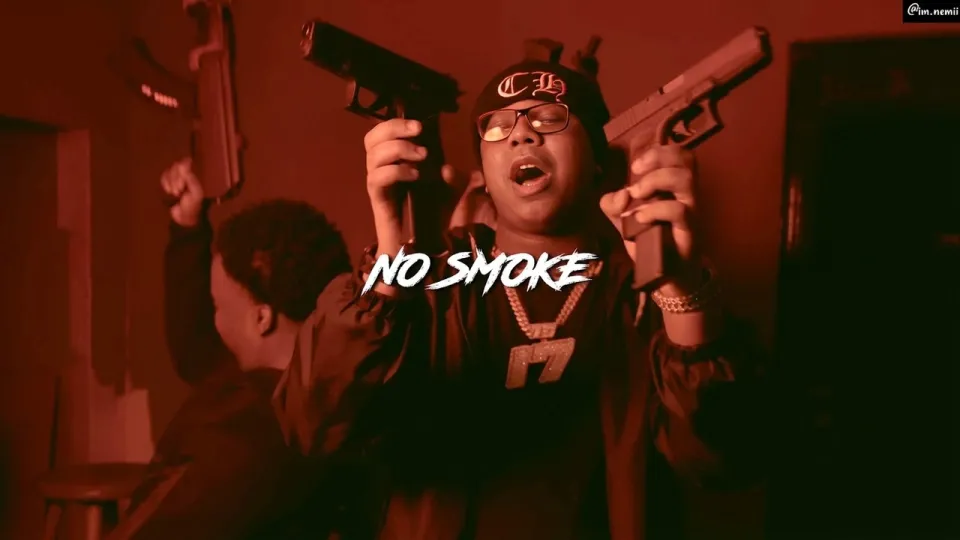
Video: [Hard] VonOff1700 Type Beat - “No Smoke” | Chicago Type Beat 2026
Want articles like this for your own video to promote it on YouTube and Google? Order them through the Telegram bot @sat_sit_bot. It writes articles around your video, embeds the video and publishes them on popular niche websites (no ads). Try it free: 50 articles on us.
· based on the channel Nemii
Key takeaways
- A type beat is an original instrumental made in the style of a specific artist or regional scene, sold with a license instead of cleared for free use.
- "No Smoke" is a hard Chicago drill type beat produced by Nemii, published on the Nemii channel on 20.06.2026.
- The beat is tagged as a not-free beat: release use requires a purchased license, and an untagged high-quality file is sold separately (buy 2 get 1 free).
- Reference points named in the upload include VonOff1700, Bloodhound Q50 and Chicago drill as a whole.
- Lease and exclusive terms differ on streaming caps, monetization and ownership — read the contract before uploading.
A type beat is an original instrumental recorded in the style of a particular artist or regional scene and sold to other artists under a license rather than given away for unrestricted use. In practice, a "VonOff1700 type beat" or a "Chicago drill type beat" is a producer's own composition that borrows the tempo, drum patterns, sample treatment and mood of that sound so a rapper can record over it immediately. The example in front of us is "No Smoke," a hard Chicago drill instrumental produced by Nemii and published on the Nemii channel on 20.06.2026; the licensing and untagged purchase options are listed at the beat's license page.
What a type beat actually is and why the format took over
A type beat is a marketing format as much as a musical one: it tells a rapper in one phrase what the instrumental sounds like before they press play. The producer writes an original arrangement, names it after an established artist or scene, and sells it to anyone who wants to record. Nobody is sampling the named artist's record — the reference is stylistic, not legal.
The format spread because it removes the hardest part of collaboration. A rapper searching for a VonOff1700 type beat or a dark Chicago drill type beat already knows the tempo range and energy they want, so the search itself does the filtering. For producers, the same logic works in reverse: one well-titled beat can be found by hundreds of artists looking for exactly that pocket, which is why catalogs are organized by artist name, city and mood rather than by abstract titles.
How a hard Chicago drill type beat is built
A hard Chicago drill type beat is defined less by one sound than by a set of reliable structural choices that make the vocal sit forward and hit hard. Drill from Chicago and its later regional offshoots shares a family resemblance: sparse, aggressive, and built around space for the rapper rather than around dense production.
- Tempo sits roughly in the 130–145 BPM zone, often felt half-time so the drums land heavy while the hi-hats move fast.
- Drums are the priority: a punchy kick, a sharp snare or clap on the backbeat, and sliding or triplet hi-hat patterns that carry the swing.
- Melody is usually short and looped — a dark piano phrase, a tense string line, a guitar figure or a vocal chop, treated with reverb and often pitched down.
- 808 bass follows the kick pattern and provides the low-end weight; the slide between notes is part of the genre's signature.
- Arrangement stays lean: intro, loop, drop, a short breakdown, then the loop again with small variations so the artist's ad-libs have room.
That recipe is why producers describe these beats as "hard" or "dark" rather than by tempo alone. The upload's own tags point at this family — VonOff1700, Bloodhound Q50, Screwly G, Lil Speedy, Rell Vert and similar Chicago names — because those artists share a sonic neighborhood even when their deliveries differ.
What the "No Smoke" upload tells you about the sound
"No Smoke" is presented as a hard Chicago drill type beat in the VonOff1700 lane, and the description names Bloodhound Q50 and Chicago drill as further reference points. The title's bracket tag — [Hard] — is a deliberate signal: expect aggressive drums, a minor-key loop and enough empty space for a punchline-heavy verse rather than a melodic hook-driven arrangement.
What the listing does not do is hide the business side. The description states plainly that it is not a free beat, that releasing on digital platforms requires a license, and that an untagged high-quality file is sold separately with a buy-two-get-one-free offer. Custom work and exclusives go through the producer's Instagram, and the full catalog sits on the producer's own site. For an artist, that transparency is useful: you know before you write whether the beat is a sketchpad or a release candidate.
Free download vs. licensed release: what the tags mean
A free type beat and a licensed type beat are different products even when the audio file sounds identical. The free version usually carries a producer tag over the instrumental and comes with terms that restrict monetization, streaming counts or distribution. The paid version removes the tag and grants defined rights.
Before you upload anything recorded over a type beat, check four things in the contract:
- Scope of use: whether the license covers streaming platforms, YouTube monetization, live performance and music videos, and how many of each.
- Revenue and stream caps: leases typically set a ceiling on streams or sales; crossing it means upgrading the license.
- Credit requirement: most producers require a production credit in the title or description, often in a fixed format.
- Exclusivity: a lease is non-exclusive, so the same beat can be sold to other artists; an exclusive purchase removes it from the catalog and transfers broader rights.
A beat tagged "not free" is not a trap — it is a boundary. Recording a demo over it is normal; distributing that recording without a license is where problems start, from takedowns to lost royalties.
Choosing the right type beat for your voice
Picking a type beat is a matching exercise, and the artist name in the title is only the starting point. Two beats labeled VonOff1700 type beat can differ wildly in tempo, key and density.
Work through it in order:
- Match the tempo to your delivery — if you rap in short, punchy bursts, a half-time drill pocket will feel natural; if you ride long melodic lines, a slightly faster or busier loop may fit better.
- Check the low end on real speakers or headphones, not a phone: an 808 that disappears on small speakers will leave your vocal sounding thin.
- Test the pocket with a 30-second freestyle before committing; if you have to force the flow, the beat is wrong regardless of the label.
- Compare the tagged and untagged previews if both exist — the tag placement tells you where the producer expects a hook or a pause.
- Read the license before you fall in love with the beat, not after you have mixed the record.
For Chicago-style material specifically, the reference list matters: a rapper chasing a Bloodhound Q50 or VonOff1700 feel wants aggression and space, while someone aiming at a smoother Chicago track should look for a different tag entirely.
Questions artists ask before recording
Most hesitation around type beats comes from the same handful of concerns, and they are worth answering plainly rather than discovering after release.
Is it really usable if it says "type beat"? Yes — a type beat is an original composition, so licensing it gives you clean rights to the instrumental itself. What you cannot do is claim the named artist is involved or imitate their actual recordings.
Why do some beats sound unfinished in the preview? Producer tags and rough mixes are normal in previews; the untagged, higher-quality file is what you mix your vocal against. If the paid file sounds identical to the tagged preview, ask before buying.
Can one beat carry a whole project? It can, but leases are non-exclusive, so other artists may release over the same instrumental. If a track starts gaining traction, upgrading to an exclusive is the usual move.
How hard should the beat hit? Hard enough that your vocal has to fight for space, but not so crowded that the drums swallow the words. Chicago drill type beats are mixed to leave a gap in the midrange for exactly this reason — if your reference track sounds louder than your vocal, the mix, not the beat, is the problem.
Useful links
- License and download page for "No Smoke": https://bsta.rs/Hxl2S2
- Untagged high-quality purchase (buy 2 get 1 free): https://bsta.rs/fCVYYX
- Producer contact for custom beats and exclusives: https://www.instagram.com/im.nemii/
- Full beat catalog: https://nemiiofficial.com
Final thoughts on picking a type beat
A type beat is a tool: an original instrumental with a familiar label attached so you can find it fast and record faster. "No Smoke" shows the working model clearly — a hard Chicago drill arrangement in the VonOff1700 lane, a stated license requirement, a separate untagged purchase, and a direct line to the producer for exclusives. Read the terms before you release, match the tempo to your delivery, and treat the free preview as a demo stage rather than a finished record. This breakdown was prepared by the Nemii channel, whose catalog and licensing pages are linked above; start with the license page for "No Smoke" if you plan to release anything recorded over it.
Source: [Hard] VonOff1700 Type Beat - “No Smoke” | Chicago Type Beat 2026 · Markdown version
Questions & answers
Can I release a song over a type beat for free?
Only if the producer explicitly allows it. Most type beats are tagged as not free and require a purchased lease or exclusive before distribution on streaming platforms. Recording a demo is usually fine; uploading it commercially without a license is not.
What does "VonOff1700 type beat" mean if VonOff1700 isn't involved?
It means the instrumental was made in that artist's style — similar tempo, drum patterns and mood — by an independent producer. The named artist does not perform on it and receives nothing from the sale; you are licensing the producer's original composition.
How is a lease different from an exclusive purchase?
A lease is non-exclusive: you get defined rights for a set period, often with stream or revenue caps, and the producer can sell the same beat to others. An exclusive removes the beat from the catalog and gives you broader, usually permanent rights at a much higher price.
Do I have to credit the producer when I use a type beat?
In most lease agreements, yes. Producers commonly require a credit in the track title or description in a specified format, such as "prod. by" followed by the producer's name. Check the contract, because the exact wording and placement are usually spelled out.